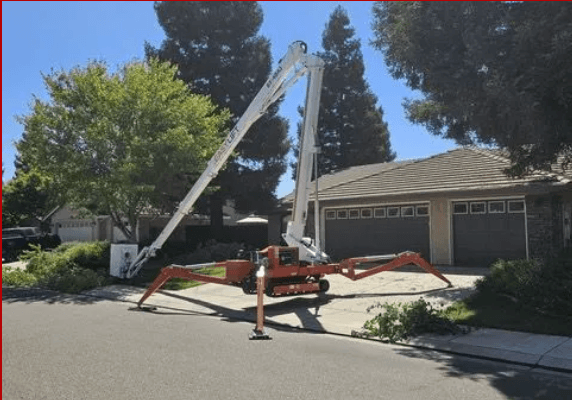
Published by Anderson Tree Service ·
Season can matter in tree pruning, but “always prune in fall” is not a dependable rule. Species, condition, climate, pruning objective, and urgent damage should guide the schedule.
Start With the Pruning Objective
Removing a broken branch, developing young-tree structure, managing clearance, and pruning a fruit tree are different jobs. Define the outcome before choosing a date.
Safety Concerns May Change the Schedule
A hanging or newly broken branch over an occupied area should not wait for a preferred season. Keep clear and seek professional attention. The visible symptom still needs assessment; it does not automatically mean the whole tree requires removal.
Species and Condition Matter
Trees differ in growth cycle, structure, flowering, and response to pruning. Existing stress, previous cuts, and the amount of live canopy to be removed also affect the plan.
Use a Site-Specific Plan
For large trees or uncertain conditions, ask an arborist to identify the tree, inspect the concern, and define the pruning purpose. Our newer guide explains when to trim trees in California’s Central Valley in more detail.